

Not long ago, I shared a post on LinkedIn about a moment that made me stop and appreciate my team. I was watching them take the lead in a meeting, share what they knew, and work through problems together.
It was a good reminder that leadership isn't about being the person at the front of the room. Sometimes, it’s just about creating the space for someone else to step up, take ownership, and grow.
But in the startup or small business world, we quickly realize something: it is hard for people to take ownership if they don't have the right foundation. Confidence doesn't just happen. It comes when a team feels supported, trained, and equipped.
I look back at early teams I was on earlier in my career, managing client accounts while navigating typical startup growing pains. The growth goals were ambitious and the expectations were high. But often, the actual tools and processes needed to reach those goals just weren't there yet.
There usually wasn't a set playbook to follow, clear data to see where things were breaking down, or simple resources to rely on.
When you want to do a good job, your instinct in those moments is to just try harder. You figure out manual workarounds on the fly. You use your own extra time and energy to bridge the gaps, and you try your best to keep things moving because you want the company to succeed.
But a business can't grow smoothly on a mountain of temporary fixes. Eventually, treating daily fires as a normal routine wears people down. Whether you have experienced that specific setup or not, these early career chapters shape how we lead later on. They can cause people to repeat the same stressful patterns with their own teams, or they can inspire them to build a better system.

Stepping back so your team can step forward but ensuring they have the data they need to guide the way.
Finding Balance in the Chaos of Scaling
Let’s be completely real: building a startup or small business from scratch is incredibly hard work. No company operates with a flawless setup, especially when you are moving fast and trying to find product-market fit.
There are always going to be seasons of messy pivots, tight budgets, and stretched teams. There is also the simple reality of talent alignment not every early hire is going to be the right match for your company’s current velocity or stage. Recognizing a mismatch early is actually healthy for both sides.
But there is a distinct line between normal startup scrappiness and a culture that constantly expects high output while denying the baseline tools required to achieve it.
When customer success or support teams are pushed to hit aggressive targets without a functional setup, a quiet disconnect happens. High performers don't lose their drive because the growth goals are ambitious; they lose their drive when they have to spend most of their day fighting broken internal processes just to execute a basic task.
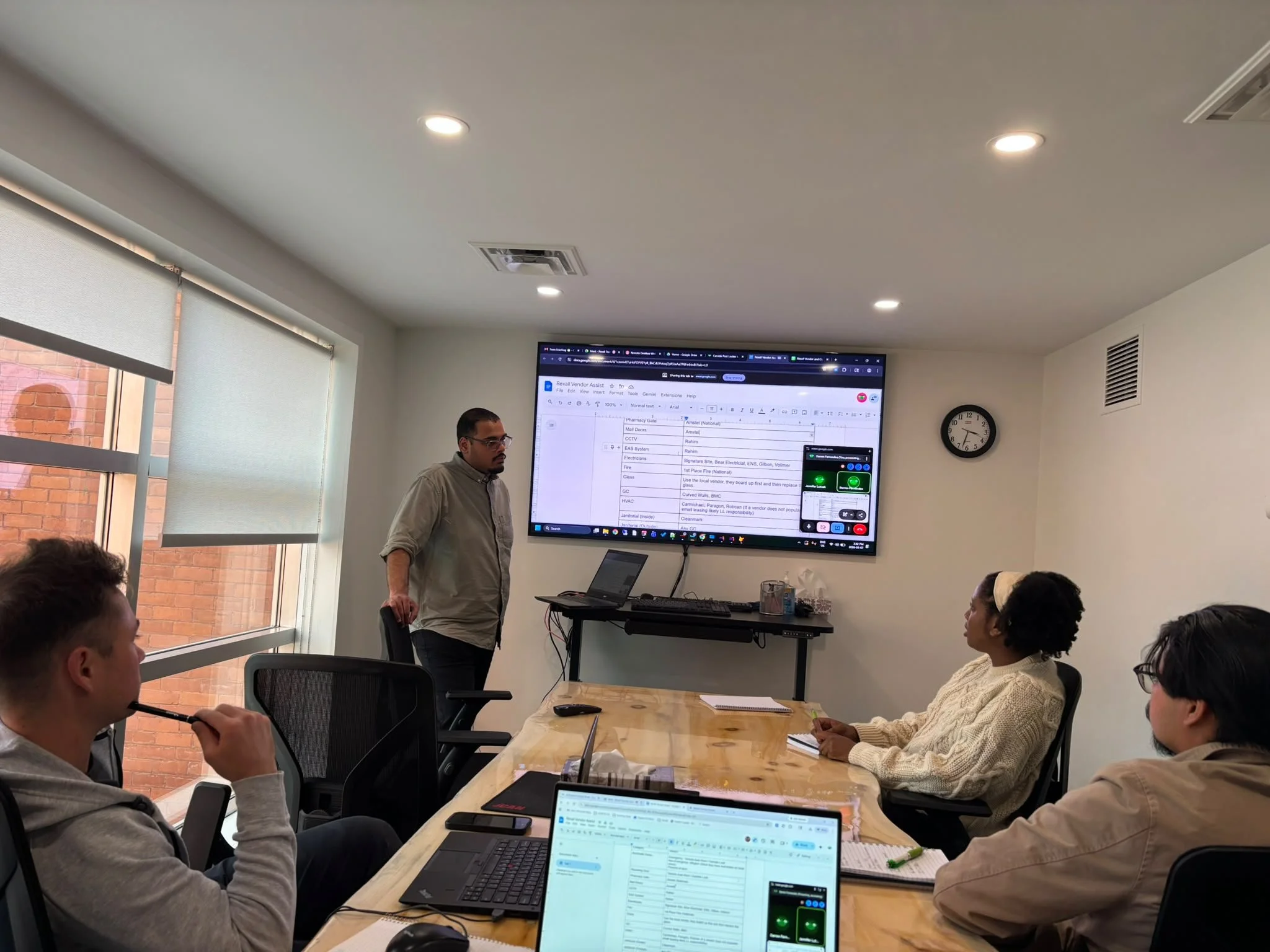
Real growth happens when we move away from hidden workarounds and toward structured, accessible team playbooks.
The Core Foundations of Internal Enablement
If we want the people building our business to remain deeply invested in our long-term roadmap, we have to look closely at what we are putting into their daily workflows. It really comes down to balancing two critical pillars:
Practical Infrastructure: Giving your team an operational starting point. It doesn't have to be a perfect system on day one. It just looks like taking the time to move out of messy Slack threads and opening a Confluence page to document a repeatable workflow, or building a basic team dashboard so they aren't flying blind into account renewals.
Human Advocacy: True empathy, open feedback loops, and a leadership style that actually listens when an operator points out a systemic process barrier working together to find a lasting solution instead of patching it with yet another temporary workaround.
When you pair internal enablement with the right tools, productivity and customer satisfaction tend to take care of themselves.
Some leaders believe that behind-the-scenes workarounds are just a permanent tax of doing business, while others expect a perfect setup from day one. The reality is usually somewhere in the middle. Taking care of your internal setup isn't about achieving a flawless workspace or eliminating startup chaos overnight. It’s simply about collaborating with your team to fix the biggest bottlenecks together as you grow, giving everyone a clear, realistic path to succeed.
